Property Renovation Hull: Creative Refurbishment Ideas for Every Budget
Hull has a housing stock that invites imagination. Victorian terraces, post-war semis, compact city flats, ex-rental properties with tired interiors, and family homes that have simply fallen a decade behind all offer genuine renovation potential. The trick is knowing where to spend, where to hold back, and how to shape a refurbishment plan that suits the property rather than chasing a generic makeover.
I have seen people pour money into the wrong features, then run out of budget before tackling the damp hallway, the awkward kitchen layout, or the windows that leak heat all winter. I have also seen modest budgets transform homes beautifully through good sequencing, careful material choices, and a bit of nerve. Effective Property Renovation Hull projects are rarely about doing everything. They are about doing the right things in the right order.
The best refurbishments balance practicality and character. In Hull, where weather exposure, older building fabric, and varying neighbourhood values all affect return on investment, that balance matters even more.
Start with the problems that quietly drain value
Before anyone picks tiles, paint charts, or pendant lights, it is worth taking a hard look at the unglamorous issues. A lot of refurbishment budgets disappear because the visible design decisions get made first, while the hidden defects wait in the walls, floors, and roofline.
In older Hull homes, damp is often the first thing to investigate properly. Sometimes it is genuine rising damp, but more often it is poor ventilation, cold bridging, leaking gutters, cracked render, or a blocked subfloor air path. I have walked into houses where owners were quoted for large damp-proofing systems when the real culprit was a failed extractor fan and years of condensation in a cold rear extension. A proper diagnosis can save thousands.
Electrics are another common pinch point. Consumer units, old wiring, too few sockets, and poorly executed DIY additions tend to show up during renovation. It is far cheaper to address these while walls are open than to revisit them later. The same applies to plumbing, especially if you are changing the bathroom, relocating a kitchen, or converting upstairs space.
Structural movement needs Property Renovation Hull chmyorkshireltd.co.uk sober judgment rather than panic. Small settlement cracks are common. Fresh diagonal cracks, sticking doors, sloping floors, or signs of lintel failure need proper assessment. A good General Contractor will tell you quickly whether you need a structural engineer before decorative work begins.
If the property is intended for resale or letting, these fundamentals matter more than many owners expect. Buyers and tenants notice the cosmetic finish, but surveyors, mortgage lenders, and snagging inspectors notice the bones.
Budget shapes design more than taste does
People often talk about style as if it sits above budget. In reality, budget creates the language of the renovation. A lean budget rewards simplicity, strategic contrast, and materials that look honest rather than expensive. A larger budget allows better joinery, more layout changes, and greater thermal upgrades, but it still benefits from restraint.
A practical way to think about the numbers is this:
- A light refresh suits homes that are basically sound and need decorating, flooring, lighting, and minor carpentry.
- A mid-range refurbishment usually includes a new kitchen or bathroom, partial rewiring, heating improvements, plaster repairs, and upgraded finishes.
- A major renovation tends to involve structural changes, significant insulation work, full service upgrades, window replacement, roofing repairs, or extensions.
- A contingency of around 10 to 20 percent is sensible, especially in older properties where surprises live behind every second wall.
In Hull, labour and material costs can vary sharply depending on access, parking, waste removal, specification, and whether the house is occupied during works. A narrow terraced street with limited storage space can add time and friction to even straightforward jobs. That matters when comparing quotes.
Small budgets can still produce a dramatic shift
A lot of homeowners assume a renovation is not worth starting unless they can afford a full transformation. That is rarely true. A well-planned modest refurbishment can make a house feel brighter, warmer, and more valuable within weeks.
One of the most effective low-cost upgrades is improving visual continuity. If every room has a different flooring material, clashing wall colour, and mismatched woodwork, the property feels fragmented. Standardising finishes creates calm. The floor does not need to be expensive. A durable laminate or good quality vinyl plank, laid cleanly through key spaces, often improves perception more than a premium floor chopped into separate rooms.
Painting is obvious, but the detail work is where value appears. Fresh ceilings, crisp skirting, repaired plaster, and properly prepared timber all matter. A rushed paint job over cracked caulk and flaking gloss looks cheap no matter what colour is used. Soft off-whites, muted stone, warm grey-greige tones, and restrained green-blue shades tend to work well in Hull properties because they brighten rooms without making north-facing spaces feel clinical.
Doors are another overlooked lever. Replacing damaged hollow doors or simply painting them consistently, fitting better handles, and aligning them properly can lift an interior quickly. The same goes for lighting. Old shades and a single central pendant in every room flatten the space. Even on a tight budget, adding better wall lights, under-cabinet kitchen lighting, or warm LED lamps changes the mood dramatically.
In one small east Hull terrace, the owner had less than £8,000 available after buying costs. There was no chance of a new kitchen. Instead, the money went on rewiring the ground floor, replastering the worst walls, repainting the kitchen cabinets, replacing the worktop, upgrading the sink and tap, adding new flooring throughout, and reworking the lighting. The property felt transformed because the improvements solved irritation rather than chasing luxury.
Mid-range projects are where planning really pays off
Once the budget reaches the point where kitchens, bathrooms, heating, and layout adjustments come into play, the quality of planning has a direct effect on both cost and finish. This is where many refurbishments go off track. Owners commit to products before resolving the room layout, or they start stripping out before finalising service runs, storage needs, and appliance locations.
General Contractor HullA kitchen refurbishment in Hull does not always need a full extension to feel successful. Quite often, removing a bulky pantry wall, widening a doorway, or opening a room just enough to improve circulation has a better cost-to-impact ratio than a large structural intervention. If the existing footprint works, invest in joinery layout and storage logic. Tall cabinets, deep drawers, integrated bins, and good task lighting will outlast fashion.
Bathrooms deserve the same discipline. Moving sanitaryware can be expensive if soil pipes, joist directions, and fall gradients are working against you. Sometimes the smartest decision is keeping the toilet in place, then elevating the room through better waterproofing, full-height tiling in wet zones, improved ventilation, and cleaner detailing. A well-set-out modest bathroom often feels more polished than a larger one crowded with features.
Heating upgrades are worth serious thought in Hull’s climate. Replacing an old boiler, adding thermostatic controls, balancing radiators, and improving loft insulation may not create social media drama, but they improve daily comfort and running costs. If sash or casement windows are too expensive to replace immediately, careful draught-proofing and secondary measures can bridge the gap.
This is also the level where good Property Maintenance Hull habits begin to save real money. If external masonry pointing, roof flashings, guttering, and exterior joinery are addressed alongside interior works, the property starts behaving better as a whole. Renovation should not be treated as a separate event from maintenance. The strongest homes are the ones where both happen together.
When a bigger renovation is justified
Some properties need a deeper intervention. That might be because they were neglected for years, because the layout no longer suits modern living, or because the buyer secured a low purchase price by accepting substantial works. In those cases, trying to patch over problems can be false economy.
Full refurbishments often involve stripping back to a near shell, replacing first-fix services, insulating key elements, replastering throughout, and rebuilding the space around how people actually live. That may mean creating a utility area, adding a downstairs WC, combining a kitchen and dining room, or converting an underused box room into a practical home office.
The business case matters. In some parts of Hull, there is a ceiling value that limits how far the spend should go. A high-end specification in a street of basic comparables may never come back on resale. That does not mean you should do poor work. It means the finish needs to be intelligent. Spend on durability, thermal comfort, and layout. Be cautious with extravagances that have little local market value.
For landlords, the equation is slightly different. Durability becomes the central design principle. Easy-clean surfaces, robust flooring, sensible lighting, moisture control, and kitchen fittings that can handle Kitchen Remodeler heavy use matter more than trendy details. I have seen landlords save a few hundred pounds on bathroom extraction and pay for it repeatedly in mould treatment, decorating, and complaints. Cheap decisions tend to invoice you later.
Character sells, but only if it is handled with restraint
Hull has plenty of homes with original details worth preserving, from cornices and deep skirtings to fireplaces, old doors, and timber floorboards. Not every period feature can or should be saved, but the ones that remain often anchor the whole renovation.
The mistake is treating character as a museum exercise. A property needs to function for current life. If you keep the original internal doors but add proper acoustic seals, if you restore floorboards but use rugs where comfort matters, if you repair the fireplace wall but fit efficient heating elsewhere, the house keeps its identity without becoming awkward.
In many cases, one or two preserved elements are enough. A stripped-back brick chimney breast is not automatically an asset. Neither are raw floorboards if they are full of gaps and draughts. The point is to preserve what adds texture and proportion, then let the rest of the space work harder.
A favourite approach in older Hull terraces is blending simple contemporary kitchens with retained mouldings and neutral walls. The contrast often feels calmer than a full period recreation. It also tends to age better.
Exterior work is rarely glamorous, but it changes everything
People are often surprised by how strongly exterior work affects the feel of a renovation. If the front elevation is stained, the pointing is tired, the gate drags, and the path is broken, the whole property feels harder to trust, even if the inside is lovely.
Front doors are an excellent example. A proper repair and repaint of an original door, with upgraded ironmongery and a clean surround, can make a home feel cared for before anyone steps inside. The same is true of masonry repairs, external paint, roofline maintenance, and sensible planting. None of this has to look expensive. It General Contractor simply needs to look intentional.
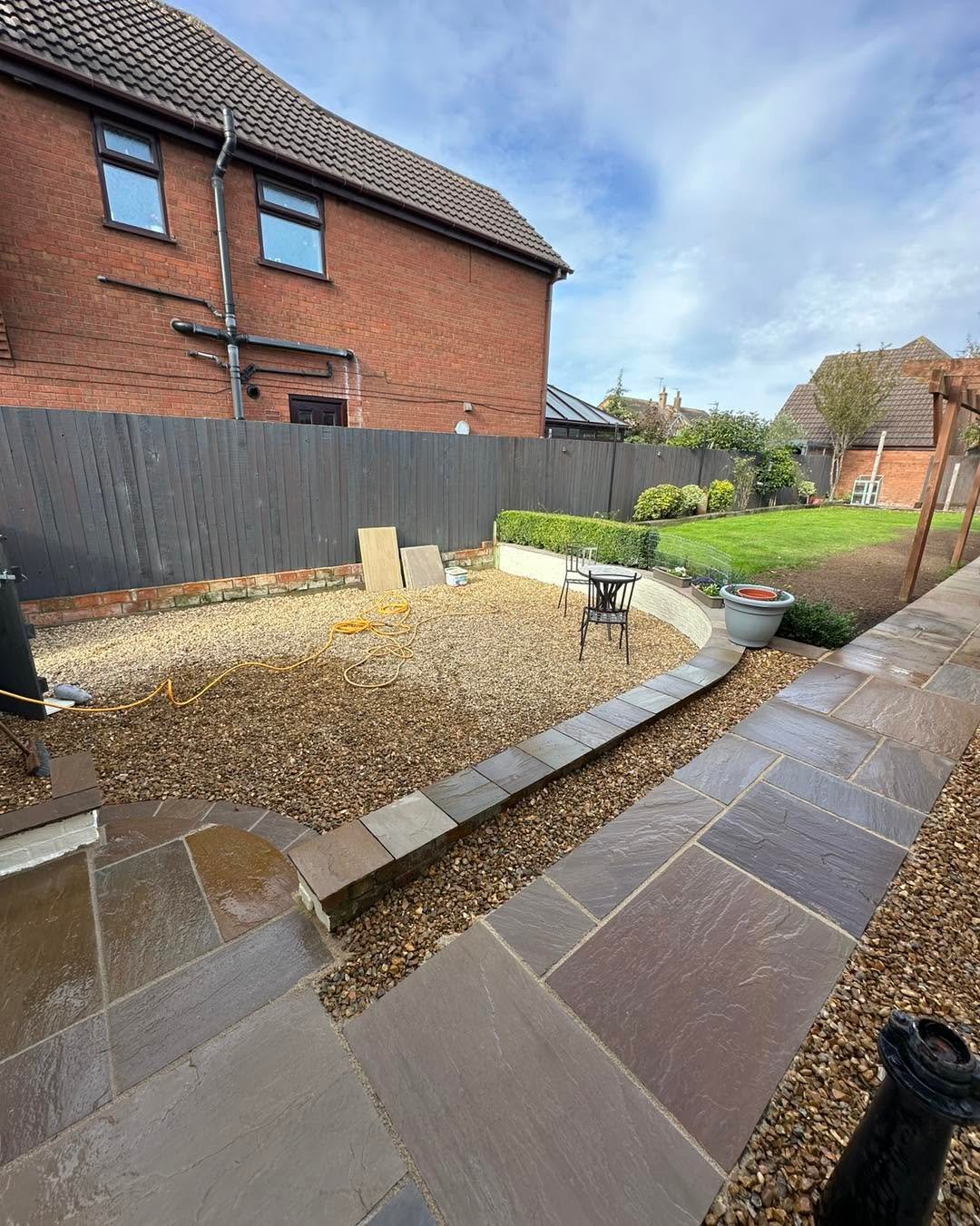
Rear gardens deserve better attention than they usually get. For families and owner-occupiers, a usable outside space adds practical square footage. For resale, it helps viewers picture themselves in the property. A basic patio reset, clear zoning, improved drainage, and some privacy screening usually outperform ornamental spending.
Water management should sit near the top of the list. In Hull, where wet weather and wind exposure can combine with older building fabric, failed gutters and downpipes do serious damage over time. Good Property Maintenance Hull practice here is not optional. It protects every decorative pound spent indoors.
Choosing the right team often decides the outcome
A renovation can survive a few design compromises. It rarely survives poor coordination. The difference between a smooth project and a draining one usually comes down to communication, sequencing, and the competence of the people on site.
A reliable General Contractor brings more than labour. They should be able to flag buildability issues early, coordinate trades, manage procurement sensibly, and tell you when an attractive idea will create unnecessary complication. The cheapest quote often excludes those judgment calls. That is why it looks cheap.
When comparing contractors, ask how they handle variations, snagging, material lead times, access issues, and occupied properties. Ask who will actually be on site each week. Ask what work is done in-house and what is subcontracted. A beautifully presented quote means little if the schedule is vague and communication is poor.
Look for signs of practical honesty. Good contractors usually speak in specifics. They will mention making good around electrical chases, checking subfloors before ordering finished flooring, or allowing for hidden damage in wet rooms. They will not promise that an old house contains no surprises.
A simple pre-start checklist helps keep everyone aligned:
- Finalise the layout before ordering kitchens, bathrooms, and flooring.
- Confirm who is responsible for waste removal, parking permits, and material storage.
- Agree working hours, payment stages, and how changes will be priced.
- Set aside contingency funds that are not already mentally spent.
- Decide early which original features stay, which go, and which need specialist repair.
Creative ideas that deliver more than they cost
Some of the best refurbishment moves are not the most obvious ones. They are the ideas that solve two problems at once.
Built-in storage is a classic example. Alcove units in terraces, under-stair cupboards, and fitted bench seating can add function while reducing visual clutter. They also make smaller rooms feel considered rather than cramped. Bespoke joinery is not always necessary. Clever off-the-shelf carcasses with custom fronts or trim can produce a near-fitted look for less.
Partial wall opening is another underrated tactic. Fully open-plan layouts are not always the answer, especially in older houses where separate rooms help with heating, noise control, and furniture placement. A widened opening, glazed screen, or internal window often gives better light flow without sacrificing useful boundaries.
Surface upgrades can be strategic rather than comprehensive. In kitchens, changing cabinet fronts, handles, worktops, and splashbacks may be enough if the carcasses are sound. In bathrooms, retile the shower area, use quality paint elsewhere, and replace the screen, vanity, and mirror for a cleaner finish without full upheaval.
Ceiling height can be emphasised cheaply through full-height curtains, taller internal doors where practical, or simply by carrying colour and trim consistently. In compact Hull properties, that visual lift matters. The room feels more generous, even when the dimensions have not changed.
Then there is the question of what not to do. Not every room needs feature wallpaper, integrated speakers, or statement lighting. A home that works quietly tends to feel more expensive than one crowded with gestures.
The sequence that saves money and stress
Even a creative design will struggle if the work happens in the wrong order. Renovation is full of expensive backtracking. Floors get damaged because decoration happened before second-fix carpentry. Kitchens are delayed because plaster was not dry. Bathrooms are fitted before extraction routes were confirmed.
A sensible sequence starts with investigation, then structural and service work, then insulation and plastering, then first decoration, followed by joinery, kitchens, bathrooms, flooring, and final finishes. It sounds basic, but many projects drift because one decision was left too late. Tiles out of stock, an unmeasured appliance, a forgotten radiator relocation, a missing lintel calculation, each one can ripple through the programme.
Occupied renovations need even tighter staging. If you are living in the property, create one finished refuge early, often a bedroom and bathroom zone, then work through the rest systematically. It costs a little more in temporary inconvenience and protection, but it keeps the household functioning.
Where refurbishment returns are strongest in Hull
Value is local. A renovation that makes perfect sense in one part of Hull may be overspecified in another. Broadly speaking, buyers respond strongly to kitchens, bathrooms, kerb appeal, energy efficiency, and layouts that feel easy. They also respond to homes that seem well maintained. Fresh décor alone does not create that impression. Good windows, dry walls, solid floors, neat external works, and sensible storage do.
If you are renovating to sell, neutrality should not mean blandness. A warm, coherent palette, practical flooring, good lighting, and one or two character touches usually beat a highly personalised scheme. If you are renovating to stay, build around your real routines. A breakfast cupboard, boot storage, better utility plumbing, or acoustic insulation between rooms may bring more satisfaction than any decorative trend.
The most successful Property Renovation Hull projects I have seen share one trait. They are not trying to impress every possible viewer. They are trying to make the property work properly, look calm, and age well. That combination appeals to buyers, tenants, and owners alike.
Hull offers plenty of opportunity for smart refurbishment because the city still has homes where thoughtful work can unlock real lifestyle and financial value. Whether the budget is tight or generous, the principles stay consistent. Fix what undermines the building, spend where daily life improves, preserve character selectively, and choose a team that understands both construction and judgment. That is how a renovation stops being a pile of decisions and starts becoming a better home.
CHM Yorkshire Ltd
Hull
HU9 5BU
Tel: 01482 455159
Website: https://www.chmyorkshireltd.co.uk